What are the key benefits of using automated laser processing systems over traditional methods?
Discover the advantages of automated laser processing systems over traditional methods in efficiency, precision, and cost-effectiveness.

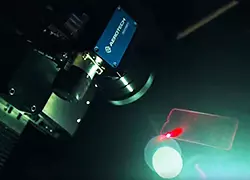
A case study examining display production that optimizes quality and throughput – and lower total cost.
3 min read
In the realm of medical device manufacturing, the integration of cutting-edge automation technologies is imperative, not just beneficial. As the sector strives for higher quality and efficiency standards, pinpointing the most effective technologies for assembly automation becomes increasingly important. This article delves into the specific technologies that enhance assembly efficiency and the advantages recent advancements offer to medical device production.
The landscape of medical device manufacturing equipment is diverse, featuring a range of automation technologies designed to improve efficiency and accuracy. Key technologies include:
Robotics: Automated robotic systems are essential for repetitive tasks, ensuring consistent quality and speed. They can be programmed to handle various assembly tasks, from component placement to packaging.
Artificial Intelligence (AI): AI algorithms analyze production data to optimize processes, predict maintenance needs and enhance decision-making, leading to improved operational efficiency.
Machine Vision: This technology employs cameras and imaging software to inspect products at high speeds, ensuring they meet quality standards. It reduces the reliance on manual inspection, thereby minimizing human error. High-speed vision systems integrated with motion control platforms detect micro-defects in real time, enhancing precision in medical device manufacturing.
Collectively, these technologies facilitate a streamlined assembly process, allowing medical device manufacturers to meet stringent regulatory requirements while enhancing productivity. Additionally, working with the broadest standard precision motion products toolbox designed for seamless integration enhances these automation systems’ capabilities, ensuring they can be tailored to specific manufacturing needs.
Recent innovations in medical device automation technologies are transforming the assembly landscape. Notable advancements include:
Collaborative Robots (Cobots): Unlike traditional industrial robots, cobots are designed to work alongside human operators. They enhance flexibility and safety in production environments, allowing for a more dynamic assembly process. The increased adoption of cobots offers flexibility and enables human-robot interaction for tasks requiring dexterity and human oversight.
Advanced Sensors: These sensors provide real-time data on the manufacturing process, enabling proactive adjustments. They enhance the precision of assembly operations, particularly in high-stakes environments such as cleanrooms.
Digital Twins: Virtual replicas of physical devices allow for virtual testing and optimization of assembly processes before physical implementation, reducing risk and improving efficiency.
These advancements not only improve the efficiency of the assembly process but also contribute to higher quality standards in medical device production.
The transition from traditional methods to automation in medical device production offers several compelling benefits:
Increased Efficiency: Automation significantly reduces cycle times, allowing for higher throughput. Automated systems can operate continuously, unlike manual labor, which is subject to fatigue.
Enhanced Accuracy: Automated systems minimize human error, leading to higher product quality and consistency. This is particularly crucial in the medical device industry, where precision is paramount. Because advanced motion control technologies can guarantee sub-micron level precision, manufacturers can achieve the exacting standards required for medical applications.
Cost-Effectiveness: Although the initial investment in automation technologies can be substantial, the long-term savings achieved through reduced labor costs and increased production efficiency make it a worthwhile investment.
In summary, the advantages of automation in medical device production far outweigh the traditional manual methods, paving the way for more efficient and reliable manufacturing processes.
The medical device industry is witnessing several trends that are influencing the adoption of automation technologies:
Digital Transformation: The shift towards digital processes is enabling better data management and analysis, allowing for smarter manufacturing decisions.
Personalized Medicine: The demand for customized medical devices is increasing, necessitating flexible and adaptable manufacturing systems that automation can provide.
These trends are driving medical device assembly companies to adopt innovative technologies that enhance their production capabilities, ensuring they remain competitive in a rapidly changing market. When production system suppliers can provide custom design and turnkey automation solutions from one-off to mass production, technical and business risks are reduced. This makes it easier for manufacturers to adapt to these emerging trends.
Discover how precision manufacturing automation architecture can revolutionize your production processes and enhance efficiency. Don't miss out on the opportunity to stay ahead in the competitive landscape, learn more about precision assembly for medical devices in this article. Take the first step toward transforming your manufacturing capabilities today!
Ready to dive deeper into the world of precision assembly automation for medical devices?
