What Specific Technologies Are Most Effective in Automating the Assembly of Medical Devices?
Discover the most effective technologies for automating the assembly of medical devices and enhancing production efficiency.

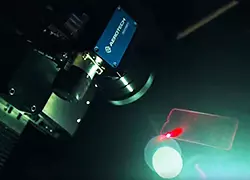
A case study examining display production that optimizes quality and throughput – and lower total cost.
4 min read
In the medical device manufacturing sector, the adoption of precision assembly automation is revolutionizing production methodologies. As the industry faces mounting pressure to deliver high-quality devices efficiently, automation technologies emerge as essential solutions that enhance both operational speed and compliance with rigorous regulatory standards. This article delves into the key aspects of precision assembly automation for medical devices, exploring its benefits, technologies, regulatory implications and real-world applications.
Precision assembly automation refers to the use of advanced technologies to automate the assembly processes of medical devices, ensuring high precision and reliability. In the medical device industry, where even the slightest error can have significant consequences, automation plays a crucial role in enhancing production efficiency and accuracy. By using automated systems, manufacturers can achieve consistent quality, reduce human error and optimize production workflows.
Automation allows for faster assembly times, which is essential in meeting the increasing demand for medical devices. Moreover, it supports the integration of complex components and systems, allowing for a more streamlined production process. The broadest standard precision motion products toolbox designed for seamless integration further enhances the ability of manufacturers to implement effective automation solutions tailored to their specific needs.
The implementation of precision assembly automation in medical device manufacturing offers several key benefits:
Increased Efficiency: Automation significantly speeds up the production process, allowing manufacturers to produce more devices in less time. With deterministic high-speed positioning capabilities, automated systems can achieve rapid cycle times, which are critical in high-demand environments.
Reduced Errors: Automated systems minimize human error, leading to higher quality and consistency in the final products. By leveraging technologies such as machine vision, manufacturers can implement real-time inspection processes that ensure each device meets stringent quality standards.
Cost Savings: While the initial investment in automation may be substantial, the long-term savings in labor costs and increased production efficiency can justify the expense. Custom design and turnkey automation solutions can further reduce technical and business risks, allowing companies to scale their operations effectively.
Scalability: Automation systems can be easily scaled to accommodate changes in production volume, making it easier for manufacturers to adapt to market demands. This adaptability is crucial in the medical device sector, where product lifecycles can be short and market needs rapidly evolving.
Adaptability: Automated systems can be reprogrammed or modified to accommodate different products or processes, enhancing flexibility in production. This is particularly important for manufacturers who must frequently pivot to meet the needs of healthcare providers and patients.
These advantages position medical device manufacturing automation companies at the forefront of the industry, enabling them to meet the evolving needs of healthcare providers and patients alike.
Several advanced technologies are integral to precision assembly automation in the medical device sector:
Robotics: Automated robotic systems ensure high precision and efficiency for tasks such as assembly, inspection and packaging. For instance, the integration of servo motor drives with integrated controllers allows for precise control over robotic movements, enhancing the overall performance of the assembly line.
Artificial Intelligence (AI): AI algorithms enhance decision-making processes, optimize workflows and predict maintenance needs, contributing to overall reliability. By using AI, manufacturers can analyze production data in real-time, allowing for proactive adjustments that ensure continuous operation and minimal downtime.
Machine Vision: This technology enables real-time inspection and quality control, ensuring that every device meets stringent quality standards. When tested with metrology lab temperature controlled to ±0.2 °C capabilities, machine vision systems can operate in highly regulated environments, ensuring compliance with industry standards.
These technologies not only enhance the precision of the assembly process but also contribute to the overall reliability of the medical automation equipment used in production.
As manufacturers continue to innovate and integrate these advanced technologies, the landscape of medical device production will likely see significant improvements in both efficiency and quality, paving the way for the next generation of healthcare solutions.
Regulatory compliance is a critical consideration in the automation of medical devices. Agencies such as the FDA and ISO impose strict guidelines to ensure the safety and efficacy of medical devices. Compliance with these regulations shapes the design and implementation of automation systems in several ways:
Design Requirements: Automated systems must be designed to meet specific regulatory standards, ensuring that they can produce devices that are safe for patient use.
Documentation: Companies must maintain thorough documentation of their automation processes to demonstrate compliance during audits. Automated systems with built-in data capture and traceability solve this problem at the source rather than through after-the-fact paperwork.
Quality Control: Automation systems must integrate quality control measures that align with regulatory standards, ensuring that every device produced meets safety and efficacy requirements.
Understanding these regulatory requirements is essential for medical automation companies to successfully implement automation technologies while maintaining compliance.
Medical device automation encompasses a wide range of products, including:
Surgical Instruments: Precision assembly automation is crucial in the manufacturing of surgical tools, where accuracy is paramount.
Diagnostic Equipment: Devices such as blood analyzers and imaging machines benefit from automated assembly processes that ensure reliability and performance.
Implants and Prosthetics: Automation plays a vital role in producing custom implants and prosthetics, where precision and quality are critical.
Different types of devices may require varying levels of automation, with some processes fully automated and others using a hybrid approach that combines manual and automated tasks.
When partnering with contract manufacturers in the medical device sector, companies often encounter several challenges:
Communication Gaps: Miscommunication can lead to misunderstandings regarding project specifications and timelines.
Quality Control Issues: Ensuring consistent quality across multiple production sites can be difficult, especially when standards differ.
Regulatory Alignment: Differences in understanding or adherence to regulatory requirements can lead to compliance issues.
To mitigate these challenges, companies should establish clear communication channels, set mutual quality standards and ensure alignment on regulatory requirements with their medical automation companies. Additionally, employing custom design and turnkey automation solutions can help reduce technical and business risks associated with these partnerships.
Precision assembly automation significantly enhances the quality and safety of medical devices through:
Enhanced Quality Control: Automated systems can perform real-time inspections, ensuring that defects are detected and addressed immediately.
Consistency: Automation ensures that every device is produced under the same conditions, reducing variability and enhancing reliability.
Safety Standards: Automated processes can be designed to adhere to stringent safety standards, ensuring that devices are safe for patient use.
By integrating automation into their production processes, manufacturers can achieve higher quality and safety standards, ultimately benefiting patients and healthcare providers. Using production systems tested in dedicated metrology labs with traceable instruments and tight temperature control (±0.2 °C) further enhances quality assurance, ensuring that every device meets the required specifications.
Incorporating automation into the medical device manufacturing process enhances efficiency and also ensures compliance with stringent regulatory requirements. By understanding the challenges and leveraging advanced technologies, companies can create safer, more reliable medical devices.
For more insights on automation technologies, see what are the key benefits of using automated laser processing systems over traditional methods?
Ready to dive deeper into the world of precision assembly automation for medical devices?
