How does femtosecond laser micromachining compare to traditional laser machining techniques?
Explore the differences between femtosecond laser micromachining and traditional techniques in precision, efficiency, and applications.

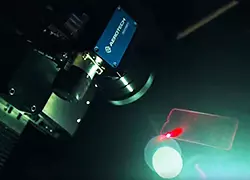
A case study examining display production that optimizes quality and throughput – and lower total cost.
2 min read
In the realm of medical device manufacturing, the integration of automated systems has become a game-changer for ensuring compliance with FDA regulations. These systems not only enhance precision and efficiency but also play a crucial role in navigating the complex landscape of regulatory requirements. This article explores the mechanisms through which automated systems facilitate compliance, highlighting the associated regulatory frameworks, challenges and future trends in the industry.
The Food and Drug Administration (FDA) is the governing body responsible for overseeing the safety and effectiveness of medical devices in the United States. Specifically, the Center for Devices and Radiological Health (CDRH) is tasked with regulating companies engaged in the manufacturing of medical devices. This center ensures that devices meet safety standards before they reach the market. For manufacturers, compliance with FDA regulations is paramount, as it not only safeguards public health but also enhances brand trust and marketability.
When integrating automation into medical device production, several regulatory frameworks must be considered:
Quality System Regulation (QSR): This mandates that manufacturers implement a quality management system to ensure device safety and effectiveness.
Design Controls: Automation must adhere to strict design controls to ensure that the automated processes do not compromise the product's quality.
Maintaining these standards while leveraging automation can significantly enhance production efficiency. However, manufacturers must be vigilant to ensure that the automation processes align with regulatory requirements, thereby minimizing risks associated with non-compliance. Additionally, using the broadest standard precision motion products toolbox designed for seamless integration can facilitate adherence to these regulations by allowing for customized automation solutions that meet specific regulatory needs.
The FDA regulations and ISO 13485 standards are foundational to the automation process in medical device manufacturing.
Manufacturers often face challenges in aligning automation with these standards, particularly in maintaining data integrity and traceability throughout the production process. Using systems that are tested within dedicated metrology labs with traceable instruments and tight temperature control (±0.2 °C) can further support compliance by ensuring that the precision of the manufacturing environment is maintained, thus enhancing product quality.
Automated systems employ various mechanisms to ensure compliance with FDA regulations:
Real-time Monitoring: Automated systems continuously monitor production parameters, ensuring they remain within specified limits.
Data Integrity: Automated systems with built-in data capture and traceability solve documentation gaps that are increasingly difficult to defend during audits.
Audit Trails: Automated solutions create comprehensive audit trails that document every step of the manufacturing process, facilitating easier compliance verification.
Custom design & turnkey automation systems allow manufacturers to tailor their automation processes to meet specific compliance requirements, thereby reducing technical and business risk.
The approval process for new medical devices approved by FDA is rigorous, involving extensive testing and validation. Automation can streamline this process significantly by:
Reducing time-to-market through accelerated testing and validation cycles.
Enhancing data collection and analysis, which can provide insights for regulatory submissions.
As automation technologies evolve, they are expected to play an increasingly integral role in the development and approval of new devices, allowing manufacturers to stay competitive in a rapidly changing market. The integration of cleanroom manufacturing (ISO Class 5/6) and vacuum system capabilities for ultra-clean applications is also critical in ensuring that new devices meet the stringent cleanliness and safety standards required by the FDA.
Discover how precision manufacturing automation architecture can revolutionize your production processes and enhance efficiency. For more details on implementing these strategies, see what are the key benefits of using automated laser processing systems over traditional methods? Additionally, to explore the challenges associated with automation, check out our article on precision assembly automation for medical devices.
Ready to dive deeper into the world of precision assembly automation for medical devices?
